
WaiveCar from Shark Tank Net Worth: From Free Rides to Investor Valuation

WaiveCar from Shark Tank drew national attention as one of the most unique startups to ever hit the reality show. A company that offered free electric car rentals funded entirely through advertising? It sounded like something from the future. With an eco-friendly spin and a marketing-forward model, WaiveCar quickly became a standout. But as with many ambitious tech startups, early buzz doesn’t always translate to long-term sustainability. So, how much is WaiveCar from Shark Tank worth today? The company’s net worth is a tale of creative disruption, rapid investor interest, and the real-world challenges of scaling in a competitive market.
The Concept – How WaiveCar Disrupted Urban Transportation
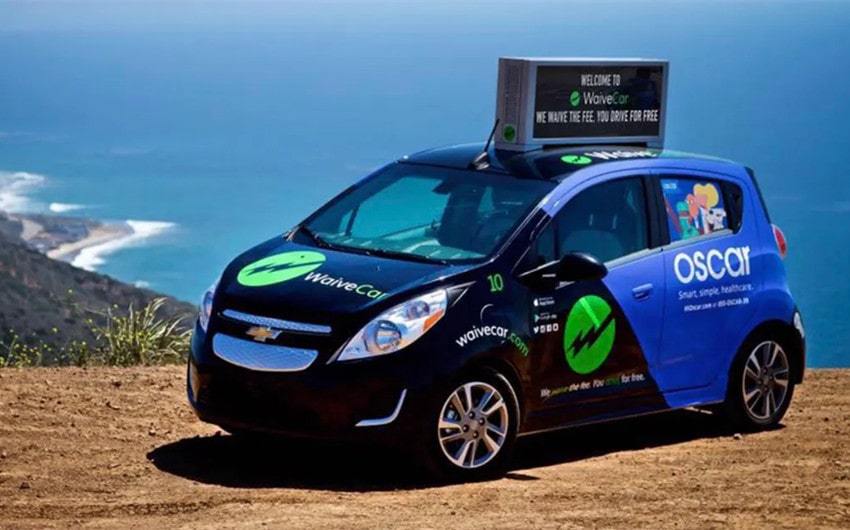
Founded by Zoli Honig and Isaac Deutsch, WaiveCar introduced an innovative concept in urban transportation: allow users to drive electric vehicles for free—up to a set period—while monetizing the experience through external advertising. It was a brilliant blend of ride-sharing and ad-tech. Users could hop into an electric car, use it for errands or commuting, and not pay a dime for the first two hours. The only catch? The car would be wrapped in bright, branded advertising, and digital displays on the vehicle would promote sponsors in real-time.
For consumers, the value proposition was clear: free, eco-friendly transportation. For advertisers, it offered a mobile and data-driven way to reach city dwellers. GPS and user interaction data helped tailor ads, making the advertising aspect smarter and more appealing to big brands. In a time when both environmental concerns and digital advertising were on the rise, WaiveCar felt like a forward-thinking solution at just the right moment.
The initial rollout was in Santa Monica, California, a city known for progressive environmental policies and tech-savvy residents. WaiveCar’s cars were lightweight electric vehicles equipped with tablets that displayed ads, supported by a backend system that allowed advertisers to geo-target and customize campaigns.
The Shark Tank Pitch – Funding, Valuation, and Investor Interest
WaiveCar made its television debut on Shark Tank during Season 8. Founders Zoli and Isaac stepped onto the stage seeking a $500,000 investment for 2% equity, implying a company valuation of $25 million—a bold number for a startup with modest fleet size and early revenue.
The Sharks were intrigued. The pitch outlined their early traction, plans to scale, and partnerships already in development. But the aggressive valuation raised eyebrows. Kevin O’Leary, known for being critical of startups that overestimate their worth, immediately questioned the financial projections and the sustainability of giving away free rides.
However, the unique advertising angle caught the attention of Kevin O’Leary and Chris Sacca. While some Sharks bowed out due to concerns about hardware costs and urban logistics, Sacca expressed interest in the model’s ability to disrupt traditional transit advertising.
Ultimately, Kevin O’Leary offered a deal: $500,000 as a loan with interest, plus a 2% equity stake—matching their ask but modifying the terms. The founders accepted, securing funding and a Shark’s partnership, giving WaiveCar the financial and strategic support to grow its operation.
Scaling Up – Tech, Markets, and Ad Revenue
With the Shark Tank investment secured, WaiveCar began executing its expansion plans. The founders pushed into other parts of Los Angeles, growing the vehicle fleet and increasing visibility. Their partnership with Cal State LA, offering free campus-based electric car use, helped increase user adoption and public awareness.
WaiveCar’s core monetization strategy focused on B2B revenue: advertisers paid for ad space on the cars, whether through physical wraps or digital displays. Brands loved the idea of mobile ads driving around trend-heavy cities, targeting young, urban consumers. The backend tech platform allowed advertisers to track impressions and engagement—critical in a data-obsessed advertising world.
For users, the system was simple: book a car through the app, drive for free for up to two hours, then pay a low hourly rate after that. The system integrated tracking, keyless entry, and reservation systems in one mobile interface. The appeal extended beyond typical ride-share—WaiveCar users could run errands, test an EV experience, or avoid costly Uber fares.
Revenue started rolling in from both ends: ad deals with brands like GoPro, Nestlé, and other early adopters, plus minimal fees from extended ride times. WaiveCar was also featured in media outlets including Forbes, TechCrunch, and Inc., all of which amplified their visibility and attracted more user signups and investor interest.
Challenges – Market Saturation, Competition, and Tech Limitations
Despite its creative concept and early wins, WaiveCar soon faced significant headwinds. The transportation sector was rapidly evolving, with massive players like Uber, Lyft, Bird, Lime, and Zipcar competing for market share in the on-demand mobility space. While WaiveCar had a unique angle, its physical limitations—limited fleet size, high hardware costs, and the logistical demands of maintaining electric vehicles—hindered rapid scaling.
Adoption was strong, but maintaining a fleet of electric vehicles proved costly. Damage, theft, and city regulations added to the operational overhead. Additionally, sourcing advertisers consistently required a full-time sales team and constant platform optimization to show advertisers real value through metrics.
The rise of e-scooters and dockless bikes in urban centers shifted consumer habits. These new transport solutions were easier to deploy and required far less overhead than a full car fleet. While WaiveCar’s concept was sound, consumer behavior began to favor ultra-short, low-commitment mobility options, making it difficult for the company to compete with the convenience and lower infrastructure demands of micromobility services.
There were also signs that the team struggled to grow beyond the early adopter phase. Without major expansion into other cities or a breakthrough partnership with a tech giant or municipal fleet, WaiveCar risked stalling out.
Net Worth Analysis – What Is WaiveCar’s Value Today?
At the time of its Shark Tank appearance, WaiveCar’s founders pegged their company’s valuation at $25 million. That figure was based on future projections, potential ad revenue scale, and tech platform value—not on current earnings. Kevin O’Leary’s structured deal indicated skepticism about that valuation but showed belief in the business model.
In the years following the show, WaiveCar’s valuation likely fluctuated. Estimates suggest the company’s peak value hovered around $3 million to $5 million, depending on active contracts and fleet size. Revenue may have reached into the six-figure range annually during its most active years, largely from ad partnerships rather than ride revenue.
However, as of 2025, WaiveCar appears to have significantly reduced operations or paused entirely. The company’s website and app are inactive, and there have been no major updates or press mentions in recent years. This suggests either a quiet shutdown, acquisition, or indefinite pause due to operational limits.
Based on this trajectory, WaiveCar’s current net worth is likely modest—potentially in the low six-figure range—if the company still holds intellectual property or a dormant technology platform. If operations are fully ceased, the business may have no active valuation beyond archival branding and investor write-offs.
Still, the idea behind WaiveCar remains relevant. Mobile advertising paired with mobility solutions continues to interest cities and brands. With tweaks to its model and stronger automation, a similar concept could yet re-emerge in a new form.
Featured Image Source: marketrealist.com


