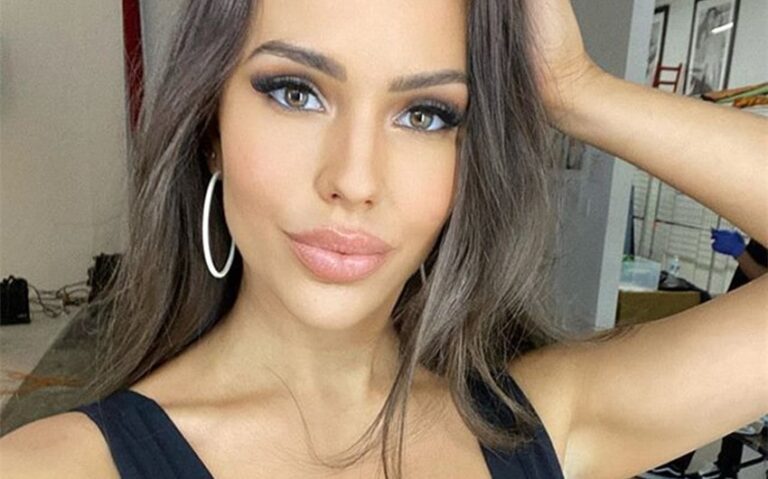
What to Know About Bella Thorne’s OnlyFans and Her Bold Career Move

When Bella Thorne’s OnlyFans account launched in 2020, the internet practically imploded. Headlines exploded, fans rushed to subscribe, and the platform itself buckled under the weight of attention. For some, it was a groundbreaking moment: a former Disney Channel star boldly entering the world of adult-friendly content. For others, it sparked outrage and exposed uncomfortable tensions between celebrity influence and creator culture. Whatever your opinion, there’s no denying that Bella Thorne’s OnlyFans debut was a cultural flashpoint—one that left a lasting impact on the platform and the broader conversation around digital content, sex work, and celebrity privilege.
Who Is Bella Thorne?
Before the buzz around her OnlyFans account, Bella Thorne was already a name familiar to millions. She first rose to fame as a child actress, best known for her role on the Disney Channel series Shake It Up alongside Zendaya. With her fiery red hair and vibrant on-screen energy, she quickly became a teen icon.
But Bella didn’t stay in the Disney mold for long. As she transitioned into adulthood, she made deliberate moves to shed her wholesome image. She pursued music, starred in independent films, directed an adult short film for Pornhub titled Her & Him, and cultivated an edgy, rebellious aesthetic across her social media. By the time she joined OnlyFans, she had fully rebranded herself as an artist unafraid of controversy, creative freedom, or pushing boundaries.
Why Bella Thorne Joined OnlyFans
According to Bella herself, her decision to launch an OnlyFans page wasn’t just about money—it was about creative control and breaking down stigmas. In interviews, she stated that she wanted to explore a new kind of interaction with her fans, where she could post without censorship and share more raw, unfiltered content. She also mentioned her goal of researching for a future film role and even teased that her experience might become the basis for a documentary.
The announcement was accompanied by the kind of fanfare you’d expect from a Hollywood name. Her launch was teased on Instagram and Twitter, accompanied by sultry teaser images and promises of personal, behind-the-scenes access. When her page went live, it cost $20 to subscribe, and within 24 hours she had reportedly earned over $1 million—breaking platform records. Within a week, that figure doubled. Bella Thorne had, in effect, become the first celebrity to treat OnlyFans not just as a side hustle, but as a full-on public spectacle.
What Happened After the Launch
While Bella Thorne’s OnlyFans was wildly successful in terms of dollars and clicks, the backlash came just as quickly. Many fans who subscribed expecting nudity or more explicit content felt misled. Screenshots circulated on Twitter of users requesting refunds, with some alleging that the pay-per-view messages were overhyped and under-delivered. Critics argued that Bella had leveraged the aesthetics of adult content without fully committing to the authenticity or transparency typically found on the platform.
But the biggest controversy wasn’t about Bella’s content—it was about the fallout that affected thousands of creators.
Shortly after her launch, OnlyFans changed several of its payment policies. The platform introduced caps on pay-per-view pricing and extended the time creators had to wait before receiving payouts. Many independent creators—particularly sex workers who relied on the platform for steady income—believed the policy changes were directly tied to the volume and controversy surrounding Bella’s account. Whether or not that was entirely true, the timing fueled frustration and anger.
For creators who had spent years building trust with their audiences, Bella’s sudden entrance—and the chaos that followed—felt like a disruption of their livelihood. To them, she was a wealthy celebrity treating the platform as a PR stunt, while their real work and real income were put at risk. The backlash was loud, intense, and deeply personal.
Bella Thorne’s Response and Public Image
In response to the outcry, Bella Thorne issued several statements across platforms. She apologized to creators who were negatively affected by the fallout and said her intention was never to harm the community. She reiterated that her goal was to “normalize” sex work and support the platform’s legitimacy, claiming she wanted to remove the stigma attached to women owning their sexuality.
She also emphasized that she was working with OnlyFans to address the backlash and clarify the changes that had gone into effect. Despite this, many creators felt the damage had already been done. While some appreciated her apology, others accused her of centering herself in a space that wasn’t built for celebrities—and of using her privilege to walk away unscathed.
The situation created a broader conversation around the place of celebrities on platforms like OnlyFans. Should mainstream stars be allowed to enter creator spaces that were originally built to give independent voices a platform? Should they play by the same rules—or create their own? Bella Thorne became the poster child for that tension, whether she intended to or not.
What Bella Thorne’s OnlyFans Meant for the Platform
Despite the controversy, Bella Thorne’s OnlyFans debut did one thing very clearly: it brought the platform into the mainstream conversation. For months after her launch, media outlets that had previously avoided covering OnlyFans suddenly took notice. Celebrities like Cardi B, Tyga, and others began creating accounts, often with more transparency and niche focus than Bella’s initial rollout.
The platform itself saw a surge in users—both creators and subscribers—thanks to the visibility her name brought. Some industry watchers argue that her participation helped to destigmatize the platform, at least in the eyes of the public. Others believe it diluted the original purpose of the space, making it harder for independent adult workers to thrive in an increasingly celebrity-saturated environment.
Her involvement also led to a cultural reckoning around the line between adult content and mainstream fame. If a former child star could now sell spicy selfies for millions, what did that say about the power dynamics of fame, gender, and online platforms? Was this empowerment, exploitation, or something in between?
The Long-Term Impact
Bella Thorne’s OnlyFans chapter is now a few years behind us, but its ripple effects are still felt. She may not be the most active or well-known creator on the platform anymore, but her name remains linked to one of the biggest turning points in its history. Whether you see her as a disruptor, a trailblazer, or simply a misstep in the platform’s timeline, the fact remains: she changed the conversation.
Her experiment sparked necessary dialogue around creator responsibility, audience expectations, and the evolving role of celebrities in the online economy. And in doing so, she made it clear that platforms like OnlyFans aren’t just about content—they’re about community, trust, and the balance of power between fame and authenticity.