Emily Lynne’s OnlyFans – Building Empowered Branding Through Creative Choice

If you’ve stumbled across Emily Lynne’s OnlyFans, you’ll quickly realize it’s more than a typical influencer pivot. It’s a platform she’s turned into a creative studio, a safe space for personal expression, and a direct connection point with her most loyal audience. With a blend of high-aesthetic content, personal storytelling, and sharp boundary-setting, Emily’s approach to OnlyFans is intentional and business-savvy. Her work on the platform isn’t just about monetization—it’s about ownership, control, and authenticity in an unpredictable digital space.
Who Is Emily Lynne?
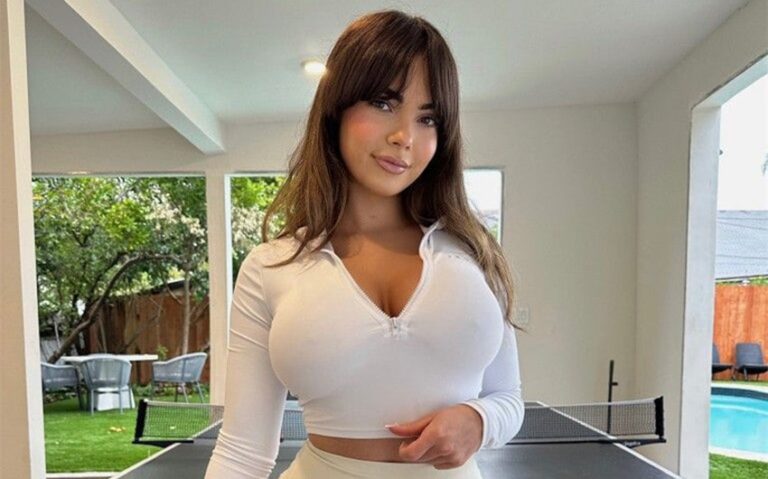
Emily Lynne is a U.S.-based content creator and fashion-forward model who rose to prominence through Instagram and TikTok. Known for her moody, elegant visuals and magnetic confidence, she quickly cultivated a loyal following that admired her not just for beauty, but for how she framed it. Her feed was less about filters and more about mood, blending fashion, self-love, and lifestyle elements into a cohesive brand that felt human rather than commercial.
Over time, Emily built an audience in the hundreds of thousands—eventually surpassing the million-follower mark. Yet despite her popularity, she encountered the familiar problems that plague most creators relying on free platforms: erratic reach, algorithmic suppression, and the ever-present pressure to produce viral content. She knew she needed a more stable, controlled environment to share content that truly represented her style and vision.
That realization led her to OnlyFans.
Why She Pivoted to OnlyFans
Emily Lynne’s move to OnlyFans wasn’t about shock or spectacle—it was about structure. She wanted a platform where she could curate her content without battling algorithms, and where her most engaged fans could access more of her creative work in a space that felt intentional.
By the time she joined in 2022, OnlyFans had evolved into more than an adult content platform. It had become a subscription-based ecosystem where creators from all walks—fitness experts, chefs, musicians, and yes, models—could build their own content economies. For Emily, it meant full autonomy over how and when she shared her work, and how she priced it.
She launched with clarity: her page would offer premium content, but it would also maintain the elevated aesthetic she’d built her name on. It was about stepping deeper into her artistry, not deviating from it.
What Content She Created—And Why It Matters
One of the first things subscribers noticed on Emily Lynne’s OnlyFans was the consistent visual quality. This wasn’t repurposed Instagram content or quick iPhone uploads. It was stylized, thought-out material that reflected her moodboard-heavy branding. From polished photoshoots with rich lighting to moody black-and-white sets and playful behind-the-scenes clips, Emily brought a magazine editorial feel to her page.
She also expanded into video: soft-spoken vlogs, fashion try-ons with commentary, morning routines, and spontaneous personal monologues. These videos weren’t overly edited—they felt real, but still intentional. They gave fans a more direct view into her life without sacrificing the privacy she carefully curated.
Importantly, she never leaned into cheap gimmicks to gain attention. Her approach proved that OnlyFans can be as elegant or as edgy as the creator behind it. It’s all about what you choose to deliver—and how.
Cultivating a Creative, Supportive Community
Emily didn’t stop at content. She built conversation. Through weekly Q&As, content polls, and personal replies to subscriber messages, she made fans feel included in the creative process. They weren’t just watching—they were participating.
She offered flexible tiers, giving subscribers the option to choose how deeply they wanted to engage. Some tiers unlocked early access to shoots, others came with voting privileges on upcoming looks or themes. A few included occasional personalized content, like short messages or shoutouts that acknowledged long-time followers.
She also maintained clear community guidelines. She was transparent about her boundaries—what kind of content she would and wouldn’t create, what fan behavior was acceptable, and how she handled unauthorized reposting. It wasn’t confrontational. It was confident, respectful, and clearly rooted in self-worth.
That clarity built trust. Fans knew exactly what they were supporting, and they appreciated the balance she struck between openness and self-protection.
Monetization and Long-Term Vision
OnlyFans quickly became a stable revenue stream for Emily Lynne—but she never treated it as a quick-money machine. She reinvested earnings into better production tools, experimented with creative formats, and hired collaborators like stylists and photographers to elevate her content.
Alongside her OnlyFans work, she continued to maintain strategic brand partnerships on Instagram. She also dabbled in merch, offering limited-run prints and digital art bundles inspired by her shoots. Each offering aligned with her overall brand tone: chic, mysterious, and intentional.
Her long-term goal? To build a self-sustaining creative ecosystem—one where she doesn’t rely on social media trends or external approval to keep going. OnlyFans gave her that foundation. It offered recurring revenue, predictable fan interaction, and space to experiment without fear of deplatforming.
Lessons from Emily Lynne’s Strategy
For other creators watching her journey, Emily’s use of OnlyFans offers smart, replicable strategies:
1. Know your tone, and stick to it. Emily didn’t bend to trends—she doubled down on her unique visual voice.
2. Prioritize quality over quantity. Her content drops were consistent, but never rushed. Each piece had a purpose.
3. Set boundaries with clarity, not apology. By clearly communicating limits, she built mutual respect with subscribers.
4. Make your audience part of the journey. Polls, Q&As, and feedback loops increased engagement and loyalty.
5. Treat your page like a creative studio, not just a side hustle. She reinvested, experimented, and used the platform as a sandbox for bigger ideas.
Featured Image Source: pinterest.com