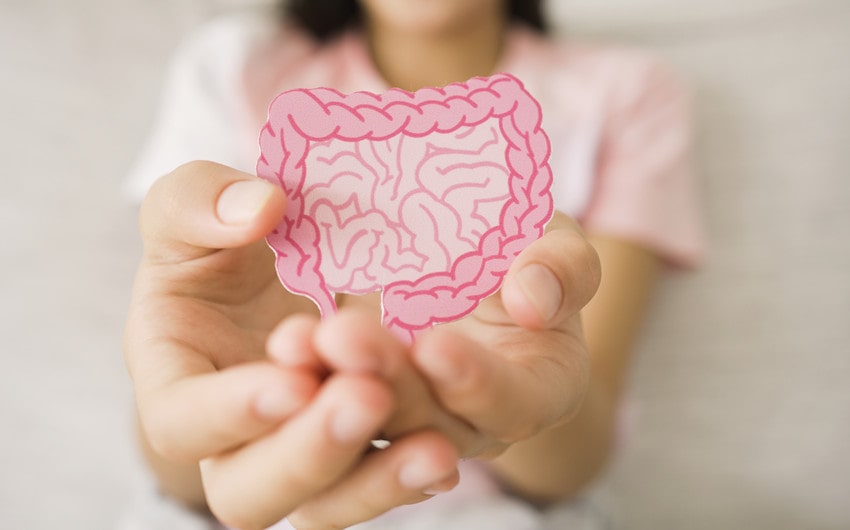
How the Gut Microbiome Influences the Brain: The Gut-Brain Axis Explained

When was the last time you felt anxious before a significant meeting? That flutter was a reminder that your brain and tummy are in constant communication with one another, not only a sign of nervousness. The connection is known by scientists as the gut-brain axis, but you can imagine it as an incessantly buzzing private hotline.
That hotline is a favorite test of modern life. Stress is accumulated through extended workdays, snack-machine lunches, late-night scrolling, or a brief trip to woocasino.com to relax. Stress triggers your body to release cortisol, which puts out the fire. The problem is that cortisol alters the environment of your digestive system. The bacteria living there change with the inner landscape. They send distress signals to your brain.
Passive passengers are not what those bacteria are. They aid in the synthesis of chemical messengers that regulate mood, attention, and sleep, including serotonin and GABA. The gut, not the brain, produces about 90% of the serotonin molecules in your body. These mood enhancers continue to flow while beneficial bacteria flourish.
Production slows, inflammation increases, and the brain begins to ache—foggy thinking, low energy, prickly anxiety—when toxic strains take over. It’s like watching every note in an orchestra become flat when outstanding players leave.
The protective lining of the gut is weakened by stress, which exacerbates the situation. Bits of undigested food or stray bacteria can enter the bloodstream through tiny holes. After identifying the invaders, the immune system raises another alert, which causes inflammation to spread. As it rises, that inflammatory condition pulls at motivation, memory, and mood. You may feel as though the world has lost its color at that point, in addition to being anxious.
So, how can the hotline be made quieter? Feed the beneficial microorganisms first. Their favorite food is plant-based fiber from oats, apples, berries, and beans. Yogurt, kefir, kimchi, and sauerkraut are examples of fermented foods that bring new members to the microbial community. Drink coffee sparingly if you like it. Caffeine can help with digestion, but too much of it can make you nervous. Hydration is also important. In order to prevent bacteria from lingering in last night’s meal, water keeps things moving.
Most individuals don’t know how much movement can assist. After lunch, a vigorous stroll helps to relax the nervous system and massage the intestines. By influencing circadian cycles, sunlight during that walk enhances sleep quality later on. In turn, healthy sleep enables the daily cycles of gut microorganisms. It’s choreography, and the other dancers fall into step when one of them strikes the beat.
Stress management completes the task. Cortisol levels can be quickly restored by deep breathing, a single song played loudly, a brief diary entry, or a conversation with a friend. These routines work while the kettle is boiling or in between emails, and none of them call for a wellness getaway.
You’ll notice something small but genuine, usually within a few weeks. There is less grogginess in the mornings. Meals don’t weigh you down; they sit easily. The sting of an annoying email disappears more quickly, but it still lands. There’s a steady hum replacing the static on your hotline.
It’s delightfully easy to take away. The brain does not control the gut, and the gut does not work for the brain. They are co-authors of the same narrative. The two ends of the hotline will reward you with more intelligent thinking, more stable emotions, and a body that seems to know what you need before you ask for it if you take good care of the microorganisms and give your nervous system regular breathers. Instead of making you wish it were over, your next butterflies may appear as excitement rather than fear, ready to assist you ace that encounter.