How Sport Shapes the Identity of Nations: From Brazil to New Zealand

Brazilian kids juggling beach balls barefoot. Kiwi players lining up for the haka, feet planted, eyes fierce. Sport here’s more than a pastime; it’s a national identity in action. This piece examines how football and rugby enhance each nation’s brand, boost the economy, and influence daily life. Stick around and see how hometown passion becomes a country’s calling card.
National Pride Through Iconic Sports
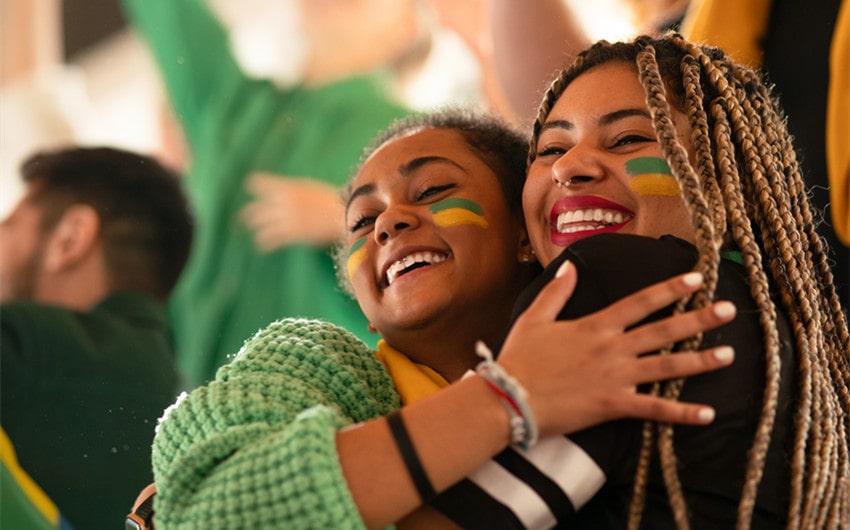
In Brazil, football is not merely fun; it is a heartbeat. Stadiums overflow with flags, chants, and sheer feeling that knit cities into one crowd. People even check the Melbet Mongolia download to follow games and place bets, keeping the passion alive wherever they are. Youngsters still dream of emulating Pelé or Marta, and that dream tells the same story to every generation. The game crosses class and color, giving millions a shared badge they wear when the anthem plays.
Rugby in New Zealand hits similarly. The All Blacks bear enormous hope and history before they ever touch the ball. Their haka opens every match, a fiery nod to Māori culture that the world now knows. Worn proudly, the black jersey signals harder training, fairer play, and a promise to never let the community down. A win on the field echoes in kindergartens, boardrooms, and along rural roads.
Global Image and Soft Power
Ministries and federations understand that trophies speak, but smiles travel farther. A championship parade proves fun, yet cameras turn the nation into free advertising. One unexpected playoff victory can suddenly rebrand a country overnight.
Examples of how sports projects power:
- Brazil hosted the Olympics, which saw a surge in tourism and a boost in global confidence.
- New Zealand’s rugby tours opened with the haka, which deepened cultural respect around the world.
- Global tournaments shower countries with media buzz, prestige, and the chance to show their story.
Because of this, leaders spend on stadiums and teams, hoping fans will see goals, while governments seek new friends and trade opportunities.
Regional Traditions and Modern Sport
Old local customs do not disappear when sports go global; they evolve, adapt, and remain a part of the scene. In every Brazilian soccer game or New Zealand rugby test, drumming, dancing, and food remind crowds that heritage, community, and change can coexist.
Indigenous Influence in New Zealand Rugby
The haka isn’t just for show; it’s a Māori ceremony done with care before every All Blacks match. Players dig into the story behind every word and gesture. What the world sees on TV isn’t a tourist stunt—it’s a free, live history class coming through the screens.
Young Kiwi players grow up hearing the Māori language woven into drills and warm-ups. Community clubs use the haka to pass down stories about their heritage and identity. That choice tells everyone rugby here wasn’t borrowed from abroad; it was shaped at home. It lets New Zealanders take pride in a game that keeps its roots strong rather than burying them.
Street Football Culture in Brazil
Football in Brazil doesn’t kick off in fancy academies. It begins on crowded sidewalks, sandy beaches, and bumpy backyards where kids dream up move in tight circles. Barefoot matches demand quick thinking, skill, and the kind of touch you can’t teach on grass. Technique settles in long before anyone steps inside a formal training ground.
That street beat feeds pro clubs with players who carry flair and surprise. Coaches never wipe it out; they polish it. When the national team plays, a samba rhythm steps onto the field, and it all traces back to real neighborhoods. Brazilian football wouldn’t have its signature groove if those street games were seen as mere practice, and everyone knows they’re an integral part of the culture.
Economic Impact of Sporting Success
Sport isn’t just about cheering; it’s about dollars and cents. In Brazil, the football scene alone creates thousands of jobs, from people sweeping the stands to those selling flags in busy markets. Big clubs invest heavily in modern training facilities and state-of-the-art stadiums, and that investment attracts sponsors who want to be part of the story. When a team wins, its jersey flies off shelves around the globe, putting cash in the pockets of local tailors, printers, and shopkeepers. On match days, the ripple spreads even further: buses are fuller, food stalls run out of pies, and hotels charge a little extra because everyone wants to be near the action.
Half a world away, New Zealand’s rugby trade works similarly. Money earned from All Blacks tickets, hats, and tours supports Saturday-morning leagues back home and funds fields in small towns. When the team flies out for a tour, fans follow, airlines add late seats, motels fill up, and city guides book up weeks in advance.
Even after the whistle blows, TV rights continue to generate revenue; broadcasters overseas pay handsomely to show the matches, and that foreign income is deposited directly into the national bank. Recognizing the return, governments chip in too, backing youth programs so that talent continues to appear and tourists keep arriving. Sport does far more than entertain; it keeps the economy moving.
Lasting Impressions on National Identity
Wins become stories passed down around kitchen tables for plenty of years. Ask a grandparent where they were when the last-minute goal went in, and they’ll tell you the exact room, the exact feeling. Such moments prove a small country can stand alongside giants, and that proof stitches pride into the national fabric. Strangers who would never meet suddenly bond over a shared jersey, a drum beat, or a goal horn. This is how nations take sweat, skill, and a handful of unforgettable seconds and weave a lasting identity everyone can wear.