Omar Hakim’s Net Worth: How a Master Drummer Built a Cross-Genre Fortune

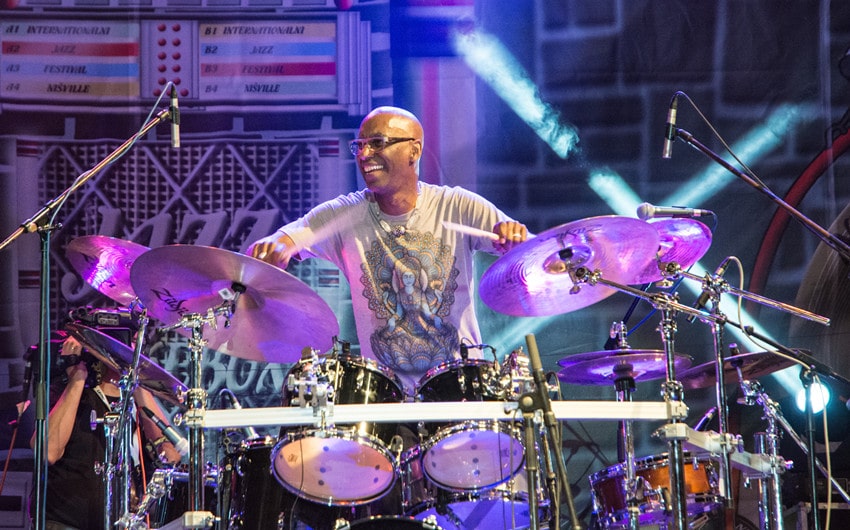
Omar Hakim’s net worth is a testament to what happens when extraordinary talent meets industry versatility and relentless creative momentum. Known as one of the most in-demand drummers in modern music history, Hakim has built a career spanning jazz, rock, pop, R&B, and electronic music.
His rhythmic fingerprints appear on landmark albums from artists like David Bowie, Sting, Madonna, Miles Davis, and Daft Punk. Yet his financial success wasn’t the result of overnight fame—it was shaped by decades of smart collaboration choices, live tour leadership, and rights ownership. By 2025, Omar Hakim’s career stands as both an artistic and financial masterclass in long-term sustainability within the music industry.
From Weather Report to Bowie – Legacy Collaborations That Paid Off
Omar Hakim’s journey to financial success began in the late 1970s, when he established himself as a gifted and adaptive jazz drummer. His big break came when he joined the legendary jazz fusion band Weather Report in 1982. At the time, Weather Report was already globally respected, and Hakim’s arrival marked a fresh phase in their rhythm section. Playing on their album Procession, he quickly earned acclaim for his clean, explosive style.
However, his leap into the mainstream spotlight occurred when he was tapped to record drums on David Bowie’s Let’s Dance in 1983—a record that would go on to be one of Bowie’s biggest commercial successes. Working alongside producer Nile Rodgers, Hakim laid down drums that would be heard on multi-platinum records across the world. This album alone significantly impacted his reputation and income trajectory.
Hakim’s ability to effortlessly transition between jazz improvisation and pop precision made him a rare and valuable asset. He went on to work with Sting during the launch of Sting’s solo career, contributing to The Dream of the Blue Turtles in 1985. That same year, he recorded with Dire Straits on Brothers in Arms, which became one of the best-selling albums of the 1980s.
These sessions not only paid well upfront but positioned Hakim for long-term royalty and residual income. Depending on contract structure, session musicians with high visibility credits can receive back-end royalties, especially when their contributions are considered essential to the sound or when they negotiate special terms. While many musicians are compensated only once for their performance, Hakim’s work was so deeply intertwined with the sound of these records that he likely earned a share of mechanical royalties or performance rights over time.
The Studio Side – Session Work, Production Credits, and Royalties
Omar Hakim became known not just as a drummer but as a “studio architect”—someone who could come in, understand the emotional and rhythmic needs of a song, and execute it flawlessly in one or two takes. That reputation earned him a constant stream of work during the 1980s and 1990s, ranging from pop giants like Madonna and Mariah Carey to jazz legends like Miles Davis and John Scofield.
Studio session work is one of the most stable income sources for elite musicians. With rates typically ranging from $500 to $2,000 per session—and sometimes more for high-profile albums—Hakim’s calendar remained full. But it wasn’t just quantity; it was quality. Many of the albums he played on were commercial successes or award-winning works, ensuring not just upfront pay but also royalty considerations, especially when contributing to Grammy-nominated or platinum-level projects.
In addition to session drumming, Hakim is also a composer, arranger, and producer. These roles often carry additional royalties in the form of publishing rights. When a musician contributes not just performance but creative input, they become part of the intellectual property of the track. Over time, those publishing rights accumulate, especially as songs are re-released, sampled, or used in film and TV.
Hakim also participated in soundtrack work and television projects, which brought in licensing fees. Whether it was a drum groove reused in a commercial or a feature in a concert film, those placements contribute to recurring revenue streams.
Touring and Live Music Directing
While studio work built Omar Hakim’s foundation, live performance brought a new layer to his net worth. He toured extensively with some of the biggest names in music, including Weather Report, Sting, and Madonna. Live performance fees for musicians of his caliber often start at several thousand dollars per night, with additional bonuses for high-profile venues and international festivals.
Perhaps even more lucrative was his role as a music director. For many artists, especially in the pop and R&B genres, the music director shapes the live sound, arranges transitions, and manages the band. This responsibility brings prestige and pay. As a music director, Hakim earned not just per-show fees but often a percentage of tour income or additional production pay.
He was also part of Daft Punk’s critically acclaimed 2013 album Random Access Memories, which included the global hit “Get Lucky.” Though this was a studio project, it led to global performances and further raised his profile, contributing indirectly to his live value.
Touring also comes with merchandise revenue, travel stipends, and appearance bonuses. While grueling, it can be one of the most profitable avenues for veteran musicians, especially when paired with high-end corporate gigs and private events, where pay scales are even higher.
Gear, Endorsements, and Brand Collaborations
In the world of elite musicianship, brand endorsements can become major sources of income—and Omar Hakim has enjoyed partnerships with some of the biggest gear brands in music. He’s endorsed drum companies like Yamaha, cymbal makers like Zildjian, and electronic gear companies like Roland and Korg. These partnerships are typically multi-year agreements that offer annual retainers, gear royalties, and bonuses based on product sales.
Hakim has also contributed to the design of signature drum kits, cymbals, and accessories. When an artist’s name is attached to a product—like a signature snare drum or hi-hat line—they often receive a royalty per unit sold. In Hakim’s case, his name has credibility among both professionals and hobbyists, making his gear lines especially successful.
Education is another important pillar. Hakim regularly leads drum clinics, online masterclasses, and music workshops worldwide. These events not only pay well but also reinforce his branding, making him a recognized authority for music schools and conservatories. He’s participated in paid sessions at Berklee College of Music and other prestigious institutions, turning his experience into educational capital.
He has even appeared in branded content and drumming documentaries, which generate licensing fees and serve as long-tail brand assets. These collaborations extend the life of his earning potential far beyond typical session or touring work.
What Is Omar Hakim’s Net Worth in 2025?
As of 2025, Omar Hakim’s net worth is estimated to be between $4 million and $6 million. This valuation takes into account his lifetime of session recordings, royalties, touring income, music direction, gear endorsements, and educational activities. Unlike some artists whose wealth fluctuates with trends, Hakim’s diversified income sources give him long-term financial stability.
Here’s a rough breakdown of his financial portfolio:
-
Session and Recording Work: Likely earned millions across 40+ years of steady studio demand
-
Royalties and Publishing: Ongoing income from classic albums, soundtracks, and production credits
-
Touring and Music Directing: Premium performance fees with top-tier acts
-
Endorsements and Gear Collaborations: Signature drum equipment and long-term brand deals
-
Education and Clinics: Recurring income from workshops, masterclasses, and academic engagements
He also likely benefits from union pensions and royalties tracked by performance rights organizations like ASCAP or BMI, ensuring income even without active touring or session work.