
3 Red Flags That Reveal a Catfish Account

Did you know that money laundering comes disguised as a dating scam these days? Earlier this year, five money launderers were convicted of committing a romance fraud worth £3.25 million ($4.2 million). They were able to launder this amount out of just 40 victims.
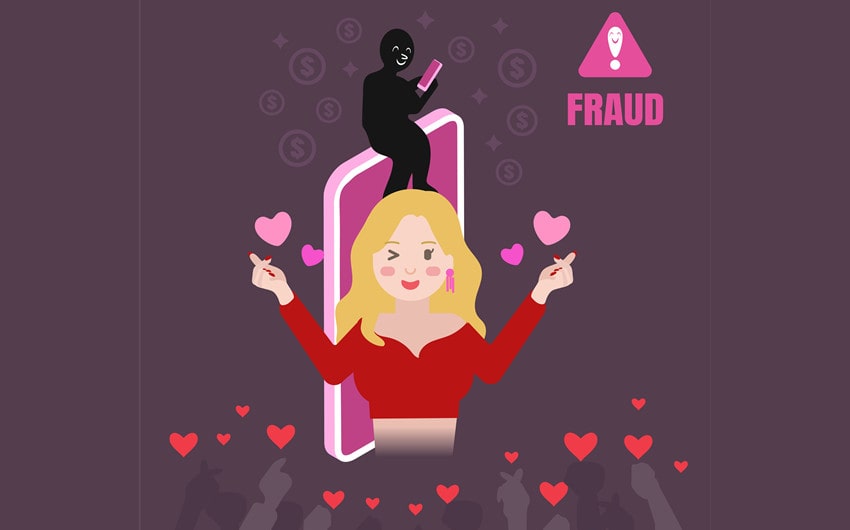
The internet, especially social media, may have opened doors to community and love. However, it has also introduced new risks in the form of catfishing. This process involves creating a false identity to deceive others. It is one of the most common forms of digital manipulation.
If you are following an influencer account, have added a subscription, or created a dating profile, knowing the signs of a catfish is important. This article will share three major red flags that indicate an account may possibly belong to a scammer.
Profile Pictures That Look Too Perfect
On platforms where an individual’s first impression is just an image, catfishers tend to rely on photos that grab attention. Given the unrealistic beauty standards created by social media, a catfisher’s photos are likely to be very refined and polished.
You may even feel stunned at their beauty. Whether this is about influencers or dating apps, the pictures may carry a sense of odd familiarity. In other words, all the shots could be professionally lit, glamorous, and almost perfect. Even for a split second, your mind might say, “These photos look too good to be true.”
Now, we live in a day and age of fake profiles. Some estimates say that as much as 10% of all dating profiles across the top platforms are fake. This means there could be one catfisher hiding for every 10 legitimate profiles. Anybody is vulnerable to being catfished, even smart, educated adults.
When someone’s profile picture looks just ethereal, it probably is. How to scrutinize pictures effectively and steer clear of potential deception? Here are the following ways:
- Check whether the pictures give stock photo vibes. Some catfishers don’t put in too much effort. They simply pick photos from modeling sites or social accounts of real-world influencers.
- See if there’s only a limited variety. Genuine users typically share a mix of content. This may include candid selfies, casual group shots, and day-to-day moments. Fake accounts tend to have overly curated pictures that are limited in diversity.
- You can also run a reverse image check. Tools like Google Lens or TinEye will help disclose if an image appears elsewhere online. You may be shocked to discover that the image is linked to someone completely unrelated.
Fans and followers of online creators must be especially vigilant. Catfishers may impersonate popular figures on social platforms or subscription sites for money or attention. Even if the account looks legitimate, look for different cues, from interactions in comments to personal touches that signal human presence.
Accounts That Avoid Verification
Is there resistance to any form of verification? That’s one of the clearest signs of a catfish. This may manifest itself in a lot of ways, including:
- Promising to video call soon, but the time never comes
- Claiming that their camera is broken
- Insisting they’re just too shy for a live interaction
Such excuses sound pretty reasonable at first, and in some cases, they could be. However, if this is a pattern and they are always unavailable, then this signals that the person isn’t who they’re claiming to be.
With social platforms and dating apps, such concerns are valid and on the rise. In a recent study, 87% of men and 85% of women wanted dating platforms to verify user info like age, recent photos, and location. This implies that platforms without such features are creating a trust gap.
To protect users, many are now building in layers of security that go beyond a simple sign-up. From dating apps to subscription sites, many today rely on digital re-verification solutions to confirm whether accounts continue to belong to the same person over time.
AU10TIX explains the main ways in which re-verification prevents identity fraud online, which include:
- Adding an additional layer of security
- Ongoing monitoring of user activity
- Ensuring documents and images stay current
- Helping businesses stay compliant with regulations
The checks often happen in the background, so you may not notice them. However, they do make it more challenging for impersonators to slip through. If someone avoids verification on a platform that offers it, that’s a massive red flag. Genuine people don’t mind proving who they are because they have nothing to hide.
Stories That Don’t Add Up
Another common giveaway of a catfish is inconsistency. In isolation, the details they provide may seem believable. When you connect the dots, the real story begins to unfold. One example would be saying they live in London but claiming they can only chat during hours that don’t match the place’s timezone.
A second example would be constantly posting lavish travel photos that appear to be business trips, but their job descriptions don’t match their lifestyle. Such red flags carry extra weight for marginalized users like people of color. Online spaces are often the first place where they seek community, mentorship, and relationships.
Sadly, even scammers are aware of this, and they attempt to exploit trust by weaving fake stories. On the surface, the stories may sound supportive and culturally familiar, but they seldom withstand closer scrutiny.
Romance scams are rising, and they’re proving to be pretty expensive. In 2024, around 59,000 people in the US fell for such scams. That led to a total loss of $697.3 million!
When someone’s stories keep shifting, it means that they’re constructing a persona rather than sharing reality. So, how can you discern if there are inconsistencies in someone’s story and they’re a catfish? Try these practical strategies:
- Compare timelines and details. Someone may claim to work night shifts, but they’re always available at odd hours.
- Test their real-time availability. Suggest a quick voice or a video call. Genuine people also get nervous, but eventually, they agree.
- Cross-check their online footprint. Look for traces like LinkedIn profiles, tagged photos, or comments from friends.
- Pay attention to contextual or cultural gaps. This may look like using the wrong slang or misunderstanding community-specific holidays.
- If something feels off, trust your gut and ask for clarification. A genuine person might clarify or laugh it off, but a scammer usually doubles down with another lie.
Finally, be wary of those who thrive on text-only interactions. After all, texting offers ample time to invent stories, polish responses, and maintain control. One or two canceled calls might be understandable.
However, a long pattern of excuses to avoid FaceTime, Zoom, or even a quick phone call should make you alert. Real connections can only be built on real interactions. Spotting the signs of catfishing early on will safeguard your identity and emotional well-being.
At the same time, platforms also need to play their part. Together, informed users and responsible platforms can ensure that online communities are safe spaces for genuine connection and empowerment.
