The Future of Transportation: Flying Cars or Tubes?

Visualize soaring above traffic in your air vehicle or getting onto a stylish capsule that propels you to another city at jet speed, all while still on the ground. It may seem unrealistic, but the truth is, we’re much closer to such a future than people assume. With cities becoming more populated and roads more congested, the philosophy behind traveling from point A to B is rapidly changing.
Big Leaps in Travel — and Convenience
The most talked about and anticipated futuristic technologies are flying vehicles and vacuum tube trains, also called hyperloops. They are elegantly designed, speedy, and guarantee the solution to everything, from road congestion to long-distance travel. People from different walks of life— from outside the tech world, like commuters, urban designers, and even people who follow sports and want an easy ride to games— are interested in these innovations as both concepts are being fast-tracked to become part of the real world.
Speaking of speed and strategy, that mindset isn’t too far off from how fans approach football betting. Whether you’re backing a team or placing bets based on data and momentum, the idea is the same: use what’s available now to predict what’s coming next.
Flying Cars: Sci-Fi or Almost Here?
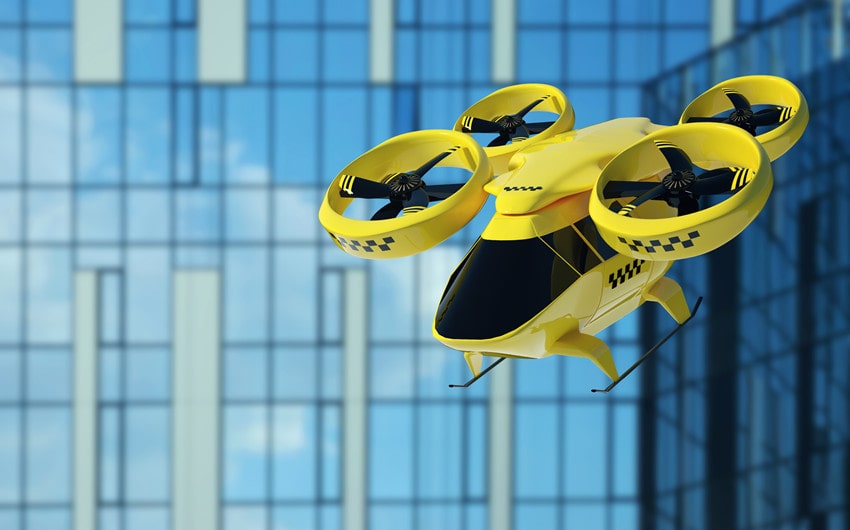
For decades, there has been some talk of flying cars, but there are real, working prototypes that are functional today. Unlike sophisticated helicopters, flying cars are electric, compact, and, in some instances, fully autonomous. They are also called eVTOLs or electric vertical takeoff and landing vehicles. They use drone-style lifts along with aircraft-grade speed.
Big players such as Volocopter, Lilium, and Joby Aviation have started to flight test their designs. Their aim is for the machines to be used as air taxis that enable short flights over traffic-photogenic urban areas. Some machines are quiet enough to fly in residential areas and would be ideal for downtown trips.
But before these machines become a salient part of modern life, many questions need to be addressed, such as how they will be regulated, what the parking and take-off zones will be, and how much they will cost the average commuter.
Quick Side-by-Side: Flying Cars vs. Hyperloops
| Feature | Flying Cars | Hyperloops |
| Travel Style | Airborne, short-distance | Ground-based, high-speed capsules |
| Target User | Urban commuters | Intercity travelers |
| Current Status | Prototypes in test flights | Limited test tracks built |
| Main Appeal | Skips traffic entirely | Much faster than trains or cars |
| Challenge Ahead | Regulation and infrastructure | Massive construction and safety checks |
Who’s Going to Win?
That depends on what you need. Flying cars could be the future of urban mobility—ideal for crossing busy cities quickly. Hyperloops are more likely to change how we think about long-distance ground travel.
The two aren’t direct competitors. Instead, they may end up complementing each other. Imagine taking a hyperloop to another city, then hopping in an air taxi to get across town. That kind of travel chain could totally change how people live and work—reducing commutes, connecting regions, and shrinking our sense of distance.
And while that future is still a few years off, the excitement is already building. People love keeping up with the tech, the trials, and the possibilities. It’s not unlike how sports fans track their favorite players and teams through live stats and updates. Many follow tech development updates the same way they’d follow their favorite team’s feed—through fast, reliable platforms like https://www.instagram.com/melbetindia_official/.
What Could Slow It Down?
Of course, not everything about flying cars and tubes is ready for prime time. There are big logistical and safety hurdles to figure out:
- Airspace regulation: Cities already have busy skies with planes, helicopters, and drones. Add flying taxis to the mix, and things get tricky fast.
- Emergency protocols: What happens when something goes wrong mid-flight or mid-ride? How do we plan for breakdowns at 600 mph?
- Infrastructure: Both systems require serious upgrades—skyports for flying cars, and dedicated tracks for hyperloops.
- Cost: Will everyday people be able to afford these travel methods, or will they stay in the luxury category?
Still, early trials are proving that the ideas aren’t just fun fantasies. They’re real possibilities—just with timelines that depend on how fast governments, companies, and users can get on board.
Final Thoughts
There’s no denying that flying cars and hyperloop trains were once thought to exist only in fiction, but at this moment, they’re all being researched and could drastically change the future of travel. In reality, you might be checking the news while gliding through traffic in the skies or riding on vacuum tubes connecting multiple cities, and all that could be possible in a few decades.
Every innovation comes with its own set of hopes and problems that need to be solved. But testing these ideas shows how badly transportation has changed over the years. Things we used to take hours to do might only take a few minutes at most, eliminating busy-hour traffic altogether. Trips between cities would be as convenient as riding an elevator instead of boarding an airplane.
The main perk of these futuristic designs is, without a doubt, the unparalleled speed paired with the magnitude of movement possible with less stress attached.
The possibilities are endless, so who knows? Perhaps one day you’ll attend a football match and get a birds-eye view of the stadium during your ride, which was seamlessly summoned from the skies.