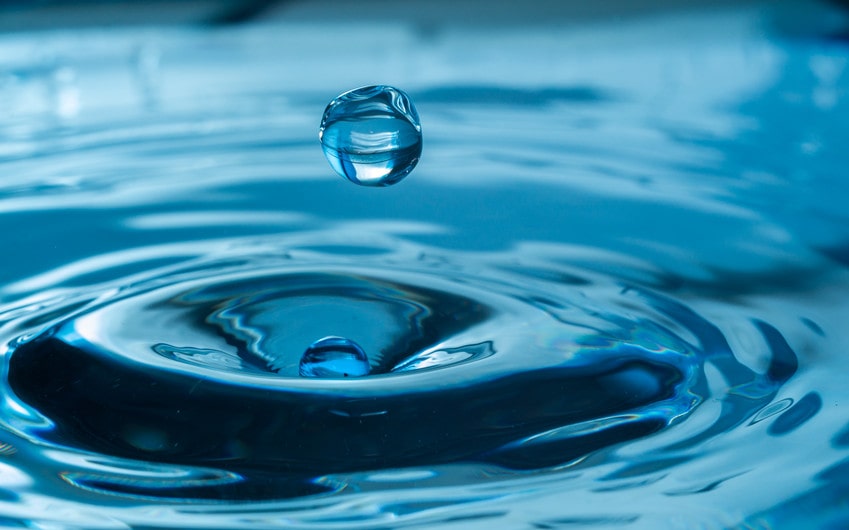
98 Diverse Words to Describe Water in Your Writing

Water is essential to life and all around us, from the ocean to the kitchen sink. Finding the right words to describe water can make your writing more vivid and engaging. Whether you’re talking about a rushing river, a calm lake, or a refreshing drink, the words you choose can paint a clear picture for your readers.
In this article, we’ll explore 98 unique words to describe water, helping you capture its many forms and qualities in your writing.
Descriptive Words for the Physical Appearance of Water
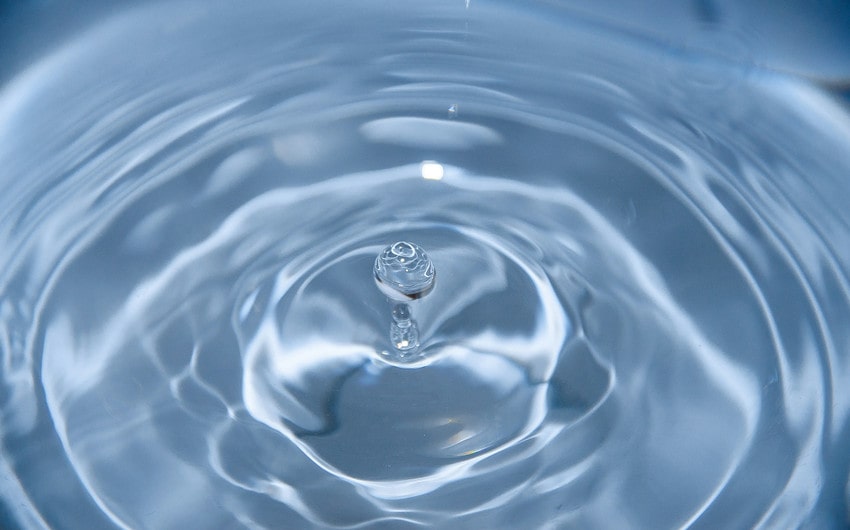
1. Clear
Description: Water that is transparent and free from impurities.
Example: The lake was so clear that you could see the fish swimming at the bottom.
Usage: Often used to describe drinking water, pools, and calm, unpolluted bodies of water.
2. Murky
Description: Water that is cloudy, dark, or dirty.
Example: The river became murky after the heavy rain stirred up sediment.
Usage: Commonly used to describe water in rivers, ponds, or lakes that have been disturbed or polluted.
3. Sparkling
Description: Water that is effervescent and bubbly, often reflecting light.
Example: The sparkling water in the fountain caught everyone’s attention.
Usage: Typically used to describe carbonated water or water with a lot of light reflections, like in a fountain or pool.
4. Turbid
Description: Water that is thick with suspended particles, reducing its clarity.
Example: The turbid water made it difficult to see more than a few inches below the surface.
Usage: Often used in scientific or environmental contexts to describe water quality.
5. Crystal-Clear
Description: Exceptionally clear and transparent water.
Example: The crystal-clear water of the tropical lagoon invited swimmers to take a dip.
Usage: Used to describe water in pristine conditions, often in tropical or well-maintained environments.
6. Reflective
Description: Water that mirrors its surroundings, creating clear reflections.
Example: The reflective surface of the pond showed a perfect image of the sky and trees.
Usage: Commonly used for still bodies of water like ponds, lakes, and calm seas.
7. Azure
Description: Water that is bright blue, often used to describe tropical or Mediterranean waters.
Example: The boat sailed across the azure waters of the Caribbean Sea.
Usage: Typically used to evoke a sense of exotic, clean, and beautiful water, often in travel writing or descriptions of vacation destinations.
8. Greenish
Description: Water that has a slight green tint, often due to algae or minerals.
Example: The greenish water of the lake suggested the presence of algae.
Usage: Often used to describe natural bodies of water, indicating the presence of plant life or minerals.
9. Shimmering
Description: Water that glows or flickers with light.
Example: The shimmering water of the river reflected the golden rays of the sunset.
Usage: Used to describe water that catches and reflects light in a sparkling or glowing manner, often creating a visually stunning effect.
10. Brackish
Description: Water that is a mix of fresh and salt water, often found in estuaries.
Example: The brackish water in the estuary supported a unique ecosystem.
Usage: Commonly used in environmental science and marine biology to describe areas where saltwater and freshwater mix.
11. Cloudy
Description: Water that is not clear, often due to suspended particles.
Example: After the storm, the pond water turned cloudy with stirred-up sediment.
Usage: Typically used to describe water that has been disturbed or contaminated, reducing its clarity.
Words to Describe the Movement of Water
1. Flowing
Description: Water moving smoothly in a stream or river.
Example: The river was flowing gently through the valley, creating a soothing sound.
Usage: Often used to describe water in rivers, streams, or any setting where water moves steadily and smoothly.
2. Rushing
Description: Water moving with great speed and force.
Example: The rapids were rushing with a ferocity that was both thrilling and terrifying.
Usage: Commonly used to describe fast-moving water in rapids, waterfalls, or during heavy rain.
3. Rippling
Description: Small waves caused by a slight disturbance on the water surface.
Example: A gentle breeze was rippling the surface of the pond, creating small, rhythmic waves.
Usage: Typically used for water surfaces that are disturbed by wind or objects, creating small, consistent waves.
4. Cascading
Description: Water falling or flowing over a steep surface, like a waterfall.
Example: The waterfall was cascading down the cliff, creating a misty spray at the bottom.
Usage: Used to describe water in waterfalls or any situation where water flows over an edge, creating a series of drops.
5. Lapping
Description: Water gently touching or brushing against a surface, like a shore.
Example: The waves were lapping against the shore, creating a peaceful and rhythmic sound.
Usage: Often used to describe the gentle movement of water against the sides of a boat or the edge of a shore.
6. Surging
Description: Water moving suddenly and powerfully in a particular direction.
Example: The ocean waves were surging forward with immense power, crashing onto the beach.
Usage: Typically used to describe powerful, forward-moving waves in the ocean or during storms.
7. Trickling
Description: Water flowing slowly in a thin stream.
Example: A small stream was trickling down the mountainside, barely making a sound.
Usage: Used to describe slow, delicate flows of water, often in small streams or leaks.
8. Gushing
Description: Water flowing out rapidly and in large quantities.
Example: Water was gushing out of the broken pipe, flooding the street.
Usage: Commonly used for situations where water is expelled forcefully, such as from a burst pipe or heavy rain.
9. Babbling
Description: The gentle, continuous sound of water flowing over rocks.
Example: The brook was babbling merrily, adding a musical backdrop to the forest.
Usage: Often used to describe small, shallow streams or brooks that create a light, pleasant sound as they flow.
10. Roaring
Description: The loud, powerful sound of a large volume of water in motion, like a waterfall.
Example: The waterfall was roaring with such intensity that it could be heard from miles away.
Usage: Typically used for large, powerful waterfalls or rapids that produce a significant amount of noise.
11. Pattering
Description: The light, rhythmic sound of raindrops hitting a surface.
Example: The rain was pattering on the roof, creating a calming ambiance.
Usage: Commonly used to describe the sound of rain hitting surfaces like roofs, windows, or leaves.
12. Swirling
Description: Water moving in a circular or spiral pattern.
Example: Leaves floated on the surface of the pond, caught in a swirling current.
Usage: Used to describe water in whirlpools, eddies, or any situation where water moves in circular motions.
13. Ebbing
Description: Water receding or moving away from the shore.
Example: The tide was ebbing, revealing the sandy beach and tide pools.
Usage: Often used to describe the movement of tides, specifically when water levels are decreasing.
Words to Describe the Taste of Water
1. Fresh
Description: Clean and refreshing taste.
Example: The mountain spring provided fresh water that was incredibly refreshing.
Usage: Commonly used to describe water that is clean, pure, and enjoyable to drink.
2. Brackish
Description: Slightly salty, often found in estuaries.
Example: The estuary’s brackish water had a unique, slightly salty taste.
Usage: Used to describe water that is a mix of fresh and saltwater, often found in coastal regions.
3. Salty
Description: High concentration of salt, typical of seawater.
Example: The seawater was so salty that it left a lingering taste in my mouth.
Usage: Typically used to describe ocean water or water with a high salt content.
4. Mineral
Description: Water containing natural minerals, often giving it a distinct taste.
Example: The mineral water from the spring had a unique, earthy flavor.
Usage: Often used to describe water from natural springs or sources with a high mineral content.
5. Stale
Description: Water that has lost its freshness and may taste flat.
Example: The stale water had been sitting out for days and tasted flat.
Usage: Used to describe water that has been left standing for too long, losing its freshness.
6. Sweet
Description: A slightly sugary or pleasant taste, often found in high-quality spring water.
Example: The sweet water from the glacier was incredibly pure and refreshing.
Usage: Typically used to describe exceptionally clean and high-quality water.
7. Metallic
Description: Water with a taste that resembles metal, often due to high mineral content or old pipes.
Example: The tap water had a metallic taste, likely from the old plumbing.
Usage: Used to describe water that has a distinct, often unpleasant, metal-like flavor.
8. Chlorinated
Description: Water that has a taste of chlorine, often found in treated tap water.
Example: The chlorinated water from the pool was safe to drink but had a noticeable chemical taste.
Usage: Commonly used to describe tap water that has been treated with chlorine for disinfection purposes.
9. Earthy
Description: Water with a natural, soil-like flavor, often from organic sources.
Example: The earthy water from the well had a rich, natural taste.
Usage: Typically used to describe water that has been influenced by soil and organic materials.
10. Bitter
Description: Water with an unpleasant, sharp taste, often due to contaminants.
Example: The bitter water tasted unpleasant and was likely contaminated.
Usage: Used to describe water that has been tainted by pollutants or certain minerals, making it unpleasant to drink.
11. Alkaline
Description: Water with a higher pH level, giving it a slightly soapy taste.
Example: The alkaline water tasted smooth and slightly soapy.
Usage: Often used to describe water that has a higher pH, which some people find beneficial for health.
12. Fruity
Description: Water that has a hint of fruit flavor, often infused.
Example: The fruity water was infused with lemon and berries, making it refreshing and flavorful.
Usage: Commonly used to describe water that has been naturally flavored with fruits.
13. Crisp
Description: Water that has a clean, sharp, and refreshing taste.
Example: The crisp water from the mountain stream was incredibly refreshing on a hot day.
Usage: Used to describe water that feels fresh and invigorating when consumed.
14. Flat
Description: Water that lacks effervescence or carbonation, often perceived as dull.
Example: The flat water tasted dull compared to the sparkling water I usually drink.
Usage: Typically used to describe water that is still and uncarbonated, often in contrast to sparkling water.
15. Bland
Description: Water with no distinctive taste, often neutral.
Example: The bland water from the tap was safe to drink but unremarkable.
Usage: Used to describe water that has a very neutral, unnoticeable flavor.
Words to Describe the Sound of Water
1. Splattering
Description: Water being scattered or splashed in various directions.
Example: The raindrops were splattering against the windowpane.
Usage: Commonly used to describe the sound of heavy rain or water hitting a surface forcefully.
2. Bubbling
Description: The sound of water forming bubbles as it moves or boils.
Example: The bubbling brook created a calming background noise.
Usage: Often used to describe small streams, brooks, or boiling water.
3. Dripping
Description: The sound of individual drops of water falling.
Example: The dripping faucet was driving me crazy all night.
Usage: Typically used to describe water leaking or falling in small quantities.
4. Trickling
Description: Water flowing slowly in a thin stream.
Example: The trickling water from the melting ice created a soothing sound.
Usage: Commonly used to describe gentle, slow-moving water.
5. Sizzling
Description: The sound of water coming into contact with something very hot.
Example: The water sizzled as it hit the hot pan.
Usage: Often used to describe the interaction between water and a hot surface.
6. Gushing
Description: Water flowing out rapidly and in large quantities.
Example: Water was gushing out of the broken pipe.
Usage: Used to describe a forceful expulsion of water, often from a pipe or natural spring.
7. Hissing
Description: A soft, continuous sound similar to air escaping, often associated with steam or very fine water sprays.
Example: The water hissed as it turned to steam upon contact with the hot pavement.
Usage: Typically used to describe steam or fine sprays of water under pressure.
8. Murmuring
Description: A soft, low, continuous sound made by gently moving water.
Example: The murmuring stream was a perfect spot for quiet contemplation.
Usage: Often used to describe small, gentle streams or rivers.
9. Swishing
Description: A light, sweeping sound made by water in motion.
Example: The waves were swishing against the boat’s hull.
Usage: Used to describe water moving back and forth, especially in a rhythmic manner.
10. Roaring
Description: The loud, powerful sound of a large volume of water in motion.
Example: The waterfall was roaring loudly as it cascaded down the cliff.
Usage: Typically used for large waterfalls or rapids.
11. Plopping
Description: The sound of something dropping into water.
Example: The frog made a plopping sound as it jumped into the pond.
Usage: Commonly used to describe objects or creatures entering water.
12. Tinkling
Description: A light, high-pitched sound made by small amounts of water hitting a surface.
Example: The tinkling of the small fountain added to the garden’s peaceful ambiance.
Usage: Often used to describe small fountains or delicate water features.
13. Whooshing
Description: A rushing sound made by fast-moving water.
Example: The river made a whooshing sound as it flowed swiftly past.
Usage: Typically used to describe rapid, large movements of water.
14. Sloshing
Description: The sound of water moving irregularly, often inside a container.
Example: The bucket of water was sloshing around as she carried it.
Usage: Commonly used to describe the movement of water in containers or puddles.
15. Rattling
Description: A sharp, quick sound made when water agitates objects like pebbles.
Example: The stream was rattling the stones as it flowed over them.
Usage: Often used to describe the sound of water moving over rocky surfaces.
Words to Describe the Temperature of Water
1. Frigid
Description: Extremely cold, almost freezing.
Example: The frigid water of the Arctic was too cold for swimming.
Usage: Typically used to describe water that is close to freezing, often in polar regions or during winter.
2. Chilly
Description: Moderately cold, cooler than lukewarm.
Example: The chilly water of the lake made me shiver.
Usage: Commonly used to describe water that is uncomfortably cold but not freezing.
3. Tepid
Description: Slightly warm, lukewarm.
Example: The bathwater was tepid, perfect for a relaxing soak.
Usage: Often used to describe water that is neither hot nor cold, suitable for bathing or gentle washing.
4. Warm
Description: Pleasantly hot, not too hot.
Example: The warm water of the tropical sea was inviting.
Usage: Typically used to describe water that is comfortably warm, often in tropical or heated environments.
5. Boiling
Description: Heated to the point of bubbling vigorously.
Example: The boiling water in the pot was ready for cooking pasta.
Usage: Used to describe water that is at or near its boiling point, often in cooking contexts.
6. Scalding
Description: Extremely hot, capable of causing burns.
Example: The scalding water from the kettle burned my hand.
Usage: Used to describe water that is dangerously hot, often in contexts where caution is needed.
7. Icy
Description: Very cold, like ice.
Example: The icy water of the mountain stream was refreshing on a hot day.
Usage: Often used to describe water that feels very cold, similar to ice or snow.
8. Piping Hot
Description: Very hot, often used for drinks.
Example: The piping hot tea warmed me up instantly.
Usage: Typically used to describe hot beverages or water that is very hot but not boiling.
9. Cool
Description: Moderately cold, refreshing.
Example: The cool water from the well was a relief in the summer heat.
Usage: Commonly used to describe water that is pleasantly cold, often refreshing in warm weather.
10. Lukewarm
Description: Neither hot nor cold, mildly warm.
Example: The lukewarm water in the bottle was not very refreshing.
Usage: Used to describe water that is room temperature or slightly warm, often in a neutral context.
11. Steaming
Description: Hot water that produces steam.
Example: The steaming hot tub was perfect for relaxing muscles.
Usage: Often used to describe hot water that emits steam, suitable for baths or cooking.
12. Brisk
Description: Cool and refreshing, often with a slight chill.
Example: The brisk water of the mountain lake was invigorating.
Usage: Typically used to describe water that is cool and refreshing, often with a slight chill that awakens the senses.
13. Sultry
Description: Warm and humid.
Example: The sultry water of the hot springs was soothing.
Usage: Used to describe water that is warm and slightly humid, often found in natural hot springs or tropical climates.
14. Thermal
Description: Naturally warm or hot, often from geothermal sources.
Example: The thermal waters of the hot spring were relaxing and therapeutic.
Usage: Commonly used to describe water from hot springs or geothermal areas.
15. Gelid
Description: Extremely cold, icy.
Example: The gelid water of the glacier-fed river was too cold to swim in for long.
Usage: Typically used to describe water that is very cold, almost freezing, often in glacial or arctic environments.
Words to Describe the Quality and Purity of Water
1. Pristine
Description: Completely pure, unspoiled, and clean.
Example: The pristine water of the remote lake was safe to drink.
Usage: Often used to describe natural water sources that are untouched and exceptionally clean.
2. Potable
Description: Safe to drink.
Example: The campsite had a supply of potable water.
Usage: Commonly used to indicate that water is suitable for drinking without causing harm.
3. Contaminated
Description: Polluted or impure, unsafe for consumption.
Example: The contaminated water from the factory runoff was harmful to the environment.
Usage: Used to describe water that has been tainted with harmful substances, making it unsafe.
4. Filtered
Description: Water that has been purified by passing through a filter.
Example: She drank filtered water to ensure it was free of impurities.
Usage: Typically used to describe water that has undergone a purification process to remove contaminants.
5. Soft
Description: Water with low mineral content, often more gentle on skin and hair.
Example: The soft water felt smooth and left no residue.
Usage: Often used to describe water that has low concentrations of calcium and magnesium.
6. Hard
Description: Water with high mineral content, especially calcium and magnesium.
Example: The hard water caused buildup in the pipes and appliances.
Usage: Commonly used to describe water that leaves mineral deposits and is harsher on skin and appliances.
7. Distilled
Description: Water that has been purified by boiling and condensing the steam.
Example: They used distilled water in the laboratory experiments.
Usage: Used to describe water that has been purified through distillation, removing impurities and minerals.
8. Polluted
Description: Water that is dirty and unsafe due to the presence of harmful substances.
Example: The river was polluted with industrial waste.
Usage: Used to describe water that has been contaminated by chemicals, waste, or other pollutants.
9. Purified
Description: Water that has been treated to remove contaminants and impurities.
Example: The purified water tasted clean and refreshing.
Usage: Commonly used to describe water that has undergone processes like filtration, distillation, or reverse osmosis.
10. Unfiltered
Description: Water that has not been passed through a filtration system.
Example: Drinking unfiltered water from the stream could be risky.
Usage: Often used to describe water in its natural state, which may contain impurities.
11. Alkaline
Description: Water with a higher pH level, often considered healthier.
Example: The alkaline water was marketed as beneficial for balancing body pH levels.
Usage: Used to describe water with a pH level above 7, often perceived as having health benefits.
12. Spring
Description: Water that naturally flows to the surface from an underground source.
Example: The spring water was cool and tasted pure.
Usage: Commonly used to describe water sourced directly from a natural spring, often noted for its purity.
13. Stagnant
Description: Water that is still and unmoving, often leading to contamination.
Example: The stagnant water in the pond had a foul smell.
Usage: Used to describe water that does not flow, potentially becoming a breeding ground for bacteria and insects.
14. Treated
Description: Water that has been processed to remove harmful substances.
Example: The city provides treated water to all its residents.
Usage: Commonly used to describe municipal water that has been chemically or physically treated to ensure safety.
Words to Describe Water in Different Forms and States
1. Liquid
Description: Water in its most common, fluid state.
Example: The liquid water flowed freely from the tap.
Usage: Typically used to describe water in its natural, fluid form, as opposed to solid or gas.
2. Ice
Description: Water in its solid state, formed by freezing.
Example: The ice cubes clinked in the glass as she poured the drink.
Usage: Commonly used to describe frozen water, often used in drinks or found in cold environments.
3. Steam
Description: Water in its gaseous state, often produced by boiling.
Example: The steam rose from the pot as the water boiled.
Usage: Typically used to describe water vapor that forms when water is heated.
4. Mist
Description: Fine droplets of water suspended in the air.
Example: The morning mist hovered over the fields, creating an ethereal atmosphere.
Usage: Often used to describe very fine water droplets in the air, usually formed naturally in humid conditions.
5. Snow
Description: Frozen water crystals falling from the sky.
Example: The snow covered the ground in a soft, white blanket.
Usage: Used to describe water in the form of ice crystals that precipitate from the atmosphere.
6. Frost
Description: A thin layer of ice crystals formed on cold surfaces.
Example: The frost covered the grass, sparkling in the morning sunlight.
Usage: Commonly used to describe a light coating of ice on surfaces, typically seen on cold mornings.
7. Dew
Description: Tiny drops of water that form on cool surfaces by condensation.
Example: The grass was wet with dew in the early morning.
Usage: Often used to describe water droplets that appear on surfaces overnight due to condensation.
8. Hail
Description: Pellets of frozen rain that fall in showers from cumulonimbus clouds.
Example: The storm brought heavy hail, which battered the rooftops.
Usage: Typically used to describe small, hard balls of ice that fall during thunderstorms.
9. Vapor
Description: Water in its gaseous state, especially when diffused or suspended in the air.
Example: The warm air was filled with water vapor, making it feel humid.
Usage: Commonly used to describe water in its gas form, especially in contexts of humidity and evaporation.
10. Slush
Description: A mixture of partially melted snow and water.
Example: The streets were covered in slush, making walking difficult.
Usage: Often used to describe semi-liquid snow, typically seen when snow starts to melt.
11. Fog
Description: A thick cloud of tiny water droplets suspended in the atmosphere at or near the earth’s surface.
Example: The fog was so dense that it was hard to see more than a few feet ahead.
Usage: Used to describe a dense mist that reduces visibility, usually forming when air is cooled to its dew point.
12. Sleet
Description: Frozen raindrops that fall as ice pellets.
Example: The weather forecast predicted sleet, making the roads potentially hazardous.
Usage: Typically used to describe precipitation that starts as rain and freezes into ice pellets before hitting the ground.
13. Drizzle
Description: Light rain with very small, fine droplets.
Example: A light drizzle began to fall, barely enough to wet the ground.
Usage: Often used to describe very light, fine rain that is less intense than a shower.
14. Raindrop
Description: A single drop of rain.
Example: A raindrop landed on her nose as she looked up at the sky.
Usage: Used to describe individual drops of water falling from clouds during a rain shower.
15. Precipitation
Description: Any form of water, liquid or solid, that falls from the atmosphere and reaches the ground.
Example: The forecast called for heavy precipitation, including rain and snow.
Usage: A general term used in meteorology to describe all forms of water, such as rain, snow, sleet, and hail, that fall from the sky.